
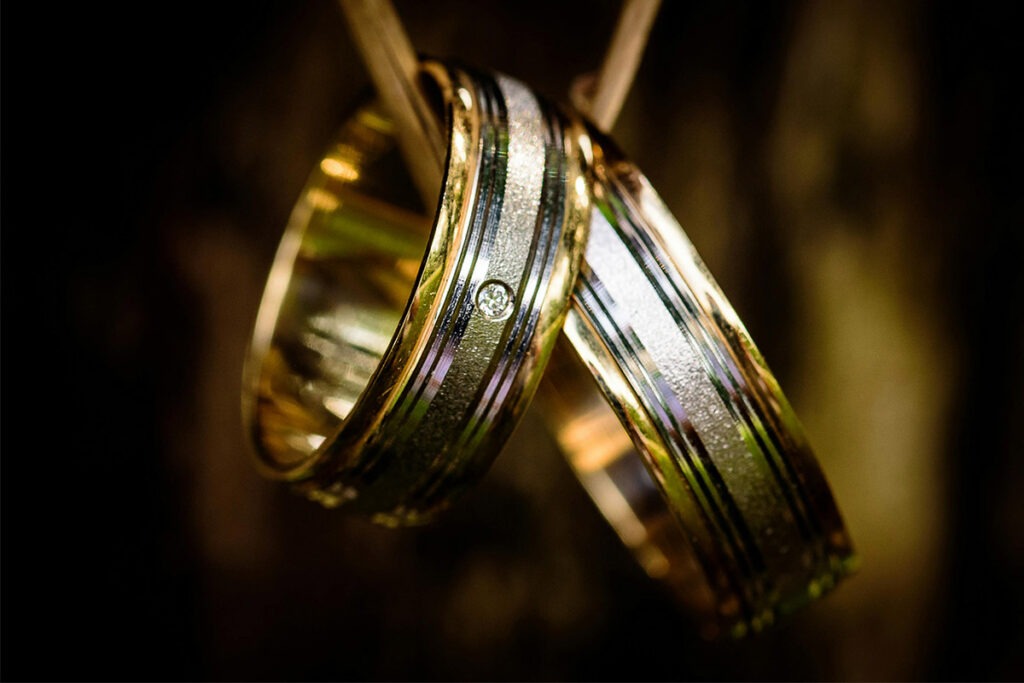
Jewellery, diamond, and gemstone lending is a specialist form of asset-backed finance offered by private banks, specialist lenders, and family offices. While other asset-backed lenders may secure loans with real estate, inventory, or machinery, jewellery, diamond, and gemstone lenders secure loans against high-value jewellery collections and precious stones.
Although these loans are uncommon, they provide valuable finance for collectors, sellers, and individuals. By securing loans against jewellery or precious stones, borrowers can access finance without disposing of their high-value assets, which may benefit from long-term capital appreciation or sentimental value.
Jewellery-backed loans are generally structured as short-term facilities secured against high-value jewellery collections. The value of the loan is determined by multiple factors, including: the value of the jewellery, quality of the pieces, and liquidity of the collection.
Lenders typically commission an independent valuer to assess the jewellery and determine the loanable value. Factors such as gemstone quality, precious metal content, brand/maker, or provenance all play an important role. The higher the liquidity of the collection, the higher the likely LTV.
The jewellery is usually held in secure storage for the duration of the loan, while the borrower retains ownership.
Unlike most asset-backed lending, jewellery loans are secured against physically small items that can be easily transported or sold. Therefore, most lenders require that the jewellery be held at a selected, secure storage facility for the duration of the loan.
The primary benefit of a jewellery or gemstone loan is to access finance without disposing of your assets, allowing borrowers to retain ownership and benefit from any capital appreciation.
Jewellery and gemstone loans can be used for a variety of purposes, including personal, corporate, or investment needs. Corporate clients can leverage collections for working capital, acquisitions, or operational requirements, while private investors can access capital to expand portfolios or seize time-sensitive opportunities.
High-value pieces, such as collectable or historically significant items, are commonly used as loan collateral. Lenders may even prefer single, high-value items over diverse portfolios. The authenticity, condition, and provenance of each item are carefully assessed during underwriting.
Loose gemstones are also popular collateral. Lenders grade diamonds according to the four Cs—carat, cut, colour, and clarity—and assess gemstones by colour, clarity, cut/shape, and origin.
When evaluating watches, designer items, and collectables, lenders consider authenticity, condition, rarity, liquidity, and legal verification. Collateral must typically be held in a secure storage facility selected by the lender.

Loan amounts depend on the value of the jewellery or stones, including maker, provenance, quality, and historical significance. LTVs typically range from 30% to 70%, depending on liquidity.
Jewellery and gemstone prices can be volatile. Lenders monitor collateral value and may require additional security or top-ups if values fall below agreed levels.
Yes. Jewellery-backed loans are available to private investors and corporate entities, with lender decisions based on both the asset and borrower profile.