aeroplane img

Aviation Finance Lease Advisory

Overview of Aviation Finance Leases

What Is an Aviation Finance Lease?

An aviation finance lease is a well-established form of aircraft finance, used by a variety of purchasers. Aircraft finance leases can be seen as a long-term financing solution that allows the borrower to repay the purchase price of the aircraft over a number of years through regular periodic payments. In an aircraft finance lease, the lessor buys an aircraft for the lessee, who pays rent to the lessor. At the end of the contract, the lessee has an option to purchase the aircraft at an agreed-upon price. The structure of the lease enables the lessee to book the aircraft as an asset on their balance sheet for the duration of the contract, due to the option to purchase.

Finance Leases vs Operating Leases in Aviation

There are a number of important differences to note. Firstly, an operating lease does not involve any transfer of ownership, which is not the case with a finance lease. In a finance lease, the aircraft is transferred to the lessee at the end of the agreement. Secondly, finance leases typically involve longer lease periods than operating leases, which last anywhere between 6 and 12 years. Finally, finance leases allow the lessee to record the aircraft as an asset on their balance sheet, whereas an operating lease does not.

Economic Ownership and Balance Sheet Treatment

Under the current accounting standards, operating leases are capitalised by the lessee and recognised on their balance sheet as a right-of-use asset, meaning they are not treated as outright ownership. The aircraft instead remains on the lessor’s balance sheet. Finance leases, on the other hand, are treated differently. In a finance lease, the lessee will recognise the aircraft on its balance sheet as if it were owned economically by the lessee. The lessor, on the other hand, recognises a lease receivable on their balance sheet. With regards to economic ownership, the lessee bears the residual value risk for the asset but has almost complete control of its use.

Types of Aircraft Commonly Financed Through Finance Leases

Narrow-Body Commercial Aircraft

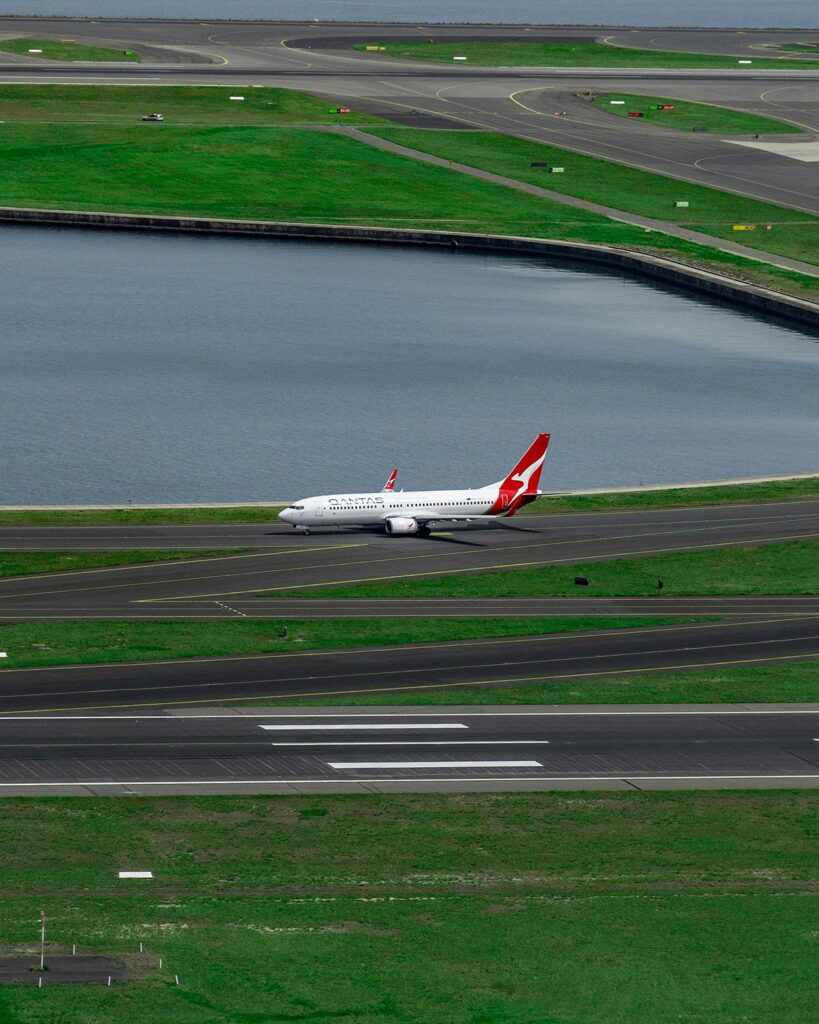
Narrow-body aircraft are very common and are generally used for commercial purposes. Narrow-body aircraft have high liquidity and a deep secondary market as a result of their long lifespan and predictable cash flow, making them a popular choice for finance leases. Popular examples of narrow-body aircraft include the Boeing 737 and the Airbus A320.

Wide-Body and Long-Haul Aircraft

Wide-body aircraft are generally used by airlines for long-haul flights. They are characterised by their long tenures, high costs, and thinner secondary markets. Compared to narrow-body aircraft, wide-body aircraft are financed through loans with much lower LTVs. Some popular examples of wide-body aircraft include the Boeing 787 and the Airbus A350.

Regional, Cargo, and Special
Mission Aircraft

These aircraft are much more specialist and are generally used by established operators providing a specific service, be it cargo transport, regional flights, or special missions (firefighting, surveillance, medical evacuation). Given the specialist nature of many of these aircraft, the secondary market can be limited. Cargo and regional aircraft are seen as lower risk as they have long service lives and stable routes, but specialist aircraft are much riskier to operate and finance.

Talk to an Expert Now!


andrea de santis bGWu7lcoZqY unsplash

How Silver Oak Capital Can Help

  • Access to Specialist Aircraft Lenders

    Our vast lender network enables us to source the best loan products from the best lenders in the market, providing our clients with cheap access to flexible loan products.

  • Experience in Complex Cases

    Silver Oak Capital has an in-depth understanding of the aviation finance market in the UK, enabling us to advise our clients on the most suitable solutions, giving them peace of mind.

  • Independent Aviation Advice

    Client satisfaction is at the heart of what we do, so when we provide advice to our clients we ensure that it is correct and tailored to their situation. In doing this, we ensure that our clients have access to independent, situation-specific, sound advice.

FAQs

An operating lease can be compared to renting the aircraft, with ownership retained by the original owner and possession handed over to the lessee. Finance leases, on the other hand, are similar to debt financing the aircraft, with ownership and possession passing to the lessee in exchange for regular lease payments.
Finance leases almost always result in aircraft ownership, with the legal title remaining with the lessor, while all economic ownership passes to the lessee.
Under a finance lease, the lessor holds the legal title of the aircraft for the duration of the lease, while granting an aircraft mortgage to the lessee. The lessor may take a range of securities from the borrower, but the most common are personal guarantees, cash deposits, charges over receivables, and debentures over holding companies. It is important to ensure that the security package is sufficient to cover the lessor in the event of the lessee’s default.