
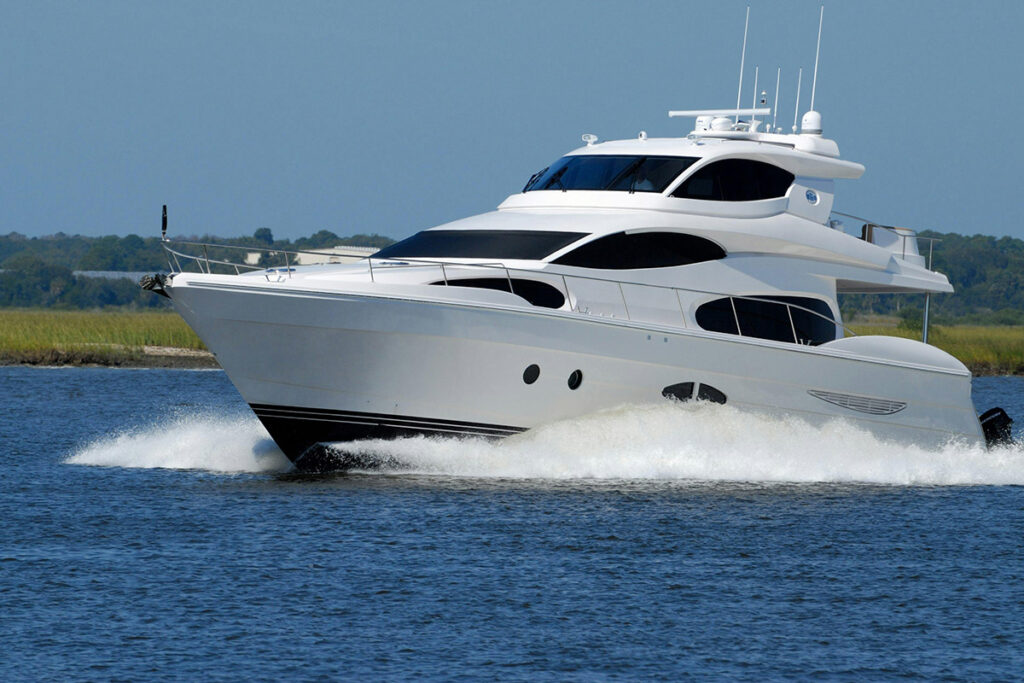
The purchase of a superyacht is one of the most significant lifestyle investments an individual can make. It is also one of the most complex asset classes to finance. Unlike real estate, a yacht is a movable asset that crosses borders, tax jurisdictions, and legal frameworks.
Silver Oak Capital specialises in securing our clients’ bespoke, tailored yacht finance for high-net-worth individuals (HNWIs) and corporate entities. We are active across the entire Western European market, facilitating transactions in the hubs of the Mediterranean – from the marinas of Monaco and the Côte d’Azur to the shipyards of Italy and the Netherlands.
Typical parties requiring a yacht mortgage are those buying a yacht for personal use (holiday or “second home on the water”). Many yacht owners have the capital to buy in cash but choose not to, because financing a yacht through a mortgage facility allows you to keep your capital deployed in higher-yielding investments rather than sinking it into a depreciating asset. It is a tool for liquidity management.
If you intend to charter the yacht commercially (to offset running costs), you need a lender who permits commercial use. Not all marine mortgages allow for chartering – we source specific “commercial registration” mortgages that support this business model.
Marine finance requires a deep understanding of maritime logistics and valuation.
Generally, marine lenders are more conservative than property lenders. Typical LTVs for yacht mortgages range from 50% to 70% of the vessel’s market value. Two of the most important considerations when applying for a yacht mortgage are the age and pedigree of the shipyard. Both of these factors can significantly impact the leverage offered by the lender given that age affects the condition and liquidity of the collateral and the shipyard indicates the build quality and resale value of the collateral.
The lender will usually require the boat to be registered in a Tier 1 jurisdiction (e.g., Red Ensign Group like Cayman Islands, Isle of Man, or Malta). This is important because it affects how the mortgage is registered and the lender’s enforcement strength.
Loan terms are typically 5 to 7 years, but often profiled over a longer amortisation period (e.g., 15 years) to keep payments lower, with a balloon (big repayment) at the end.
A pre-purchase condition survey by a qualified marine surveyor is mandatory, because the lender relies on this to confirm the vessel’s structural integrity and market value.

We act as your maritime financial architect, navigating the legal and financial waters of Europe.
With our extensive lender relationships across Europe, we frequently structure deals for clients buying vessels in Monaco, Cannes, Antibes, and Palma. We understand the VAT implications of purchasing in the EU versus outside the EU (Temporary Admission), and we work with tax advisors to ensure your financing structure does not trigger unnecessary tax liabilities.
Yacht lenders look at the borrower, not just the boat. We present your global wealth profile (assets, income, and liquidity) to private banks to secure the lowest margins available.
If you are commissioning a new build, we can arrange Stage Payment Finance. This type of funding releases funds in chunks to the shipyard at key construction milestones (hull laying, engine installation, launch), securing your build slot without you advancing all the capital upfront.
Expect ID and Know Your Customer (KYC) checks, proof of income/wealth, bank statements, purchase agreement, yacht specs, survey/valuation, title documentation, insurance confirmation, and details of where the yacht will be kept/operated.
Lenders prefer younger vessels. Financing a new or <10-year-old yacht is straightforward. Once a vessel is over 20 years old, finance becomes harder to secure and LTVs drop, unless the yacht has undergone a comprehensive refit that is well-documented.
Sometimes. If the yacht is VAT-paid, the loan is usually based on the market value (which includes VAT). If the yacht is Ex-VAT (commercial or non-EU), the loan is based on the net hull value. Some specialist lenders can provide short-term “VAT Bridging” to cover the tax liability while a vessel is being imported or exported.