aviation operating lease finance advisory featred img

Aviation Operating Lease Finance Advisory

Overview of Aviation Operating Leases

What Is an Aviation Operating Lease?

An aviation operating lease is a form of aircraft finance in which the owner, acting as the lessor, signs a lease with an operator, acting as the lessee. In return for the use of the aircraft, the lessee pledges to pay a rental to the lessor. Aviation operating leases give operators access to aircraft without having to outright purchase an aircraft.

Operating Leases vs Finance Leases in Aviation

Where operating leases work on a rental basis, with ownership remaining with the lessor, finance leases act like a payment plan, where ownership transfers to the lessee, who usually has a bargain purchase option at the end of the facility. It is important to understand the difference between these two forms of leases, as they have vastly different outcomes.

Key Characteristics of Operating Lease Structures

Operating leases are commonly used in the world of aviation finance, and as such, it is important to understand their key characteristics:

  • Ownership: The lessor or leasing company will retain ownership of the aircraft before, during, and after the agreed term, with the lessee handing over possession of the aircraft upon completion of the agreed lease term.
  • Responsibility: In most cases, the lessee will be wholly responsible for the aircraft’s maintenance, operations, and insurance throughout the duration of the lease. Once the lease has lapsed, the responsibility will revert back to the lessor
  • Payments: As part of the lease agreement, the lessee will agree to pay regular rental payments to the lessor and may even be required to pay a portion of their turnover to the lessor, depending on the contract. While the rental payments will differ depending on the details of the lease, they often include maintenance reserve payments, which are intended to protect the asset’s value.
  • Flexibility: The operating lease structure offers airline operators the ability to operate a business without having to purchase an aircraft, which is likely to be very expensive.
  • Benefits: There are a number of benefits to using aircraft operating leases, but the most obvious are that the lessee is not required to provide a large initial capital outlay. The lessor, on the other hand, is able to generate steady, stable income from their asset for an extended period of time.

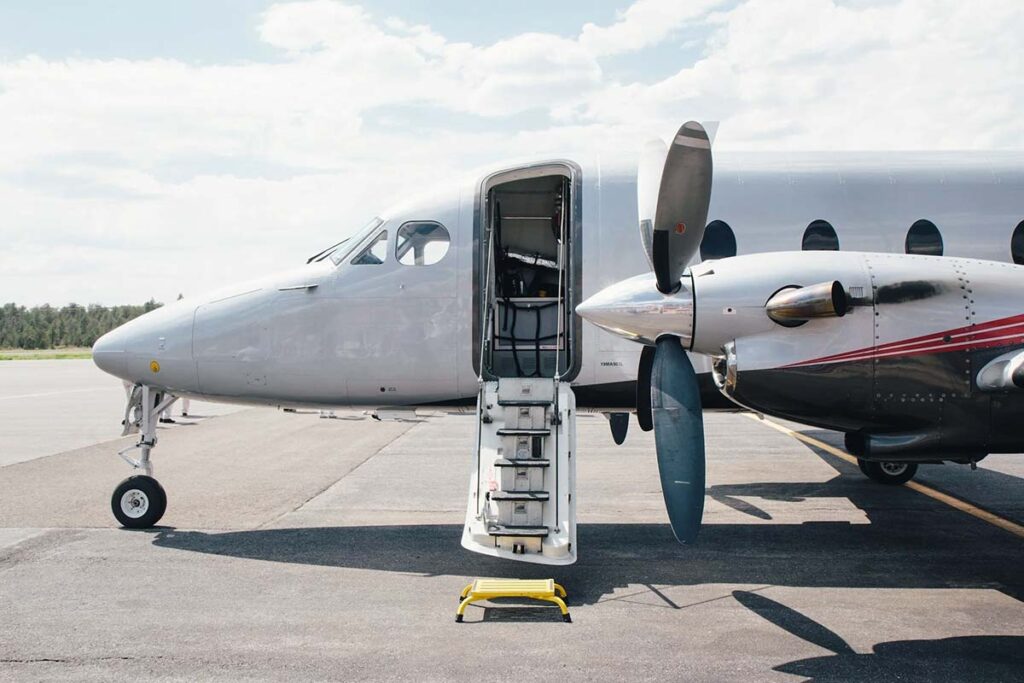
When an Aviation Operating Lease Is the Right Solution

Fleet Expansion Without
Balance Sheet Strain

Aviation operating leases give the lessee the ability to rent an aircraft for a much smaller upfront cost than purchasing the aircraft. For a larger operator, this would enable them to rent several aircraft for the price of purchasing one, giving them the cash flow flexibility they need, without putting too much strain on their balance sheet.

Short- to Medium-Term
Aircraft Deployment

Aircraft lessees can take advantage of operating leases to deploy aircraft quickly and for shorter periods of time than if they were to purchase an aircraft outright.

Managing Residual Value and
Technical Risk

Lessees can sign operating leases for anywhere between 6 to 12 years, giving them the ability to use an aircraft for a period of their choosing, without having to worry about the disposal or replacement of the asset.

Talk to an Expert Now!


foreign national mortgages page img

How Silver Oak Capital Can Help

  • Navigating a Relationship-Driven and Specialist Market

    The aviation industry is highly relationship-driven and very exclusive, making it difficult for first-time owners or operators. In this way, using a specialist aircraft finance advisor is crucial to ensuring that you access the best aircraft at the best rates.
  • Aligning Lease Structures with Long-Term Fleet Strategy

    It is crucial to ensure that your lease structures align with your organisation’s long-term fleet strategy in order to maximise long-term profitability and minimise long-term risk. Specialist aircraft finance advisors are crucial in negotiating favourable terms, enabling you to focus on your business strategy.

FAQs

For the lessee, there are a number of advantages compared to outright ownership. Firstly, they do not need to pay the large upfront purchase price in order to access the aircraft. Secondly, they are able to modernise their fleet quickly and more often. Finally, they can reduce their exposure to risk by refraining from owning the aircraft outright.
Aviation operating leases can vary in length, with some operators opting for longer leases and others for shorter ones. On the longer side, operating leases can extend up to 12 years, giving the lessee and the lessor long-term certainty over the use of the asset. On the other hand, some leases can run for as short as 5 years, enabling lessees to upgrade their fleet more frequently.
Once the lease has come to an end, the aircraft is returned to the lessor in the condition and manner specified in the lease. Once the aircraft is returned, all responsibility for the aircraft reverts to the lessor, and the lessee is free to enter into another lease.